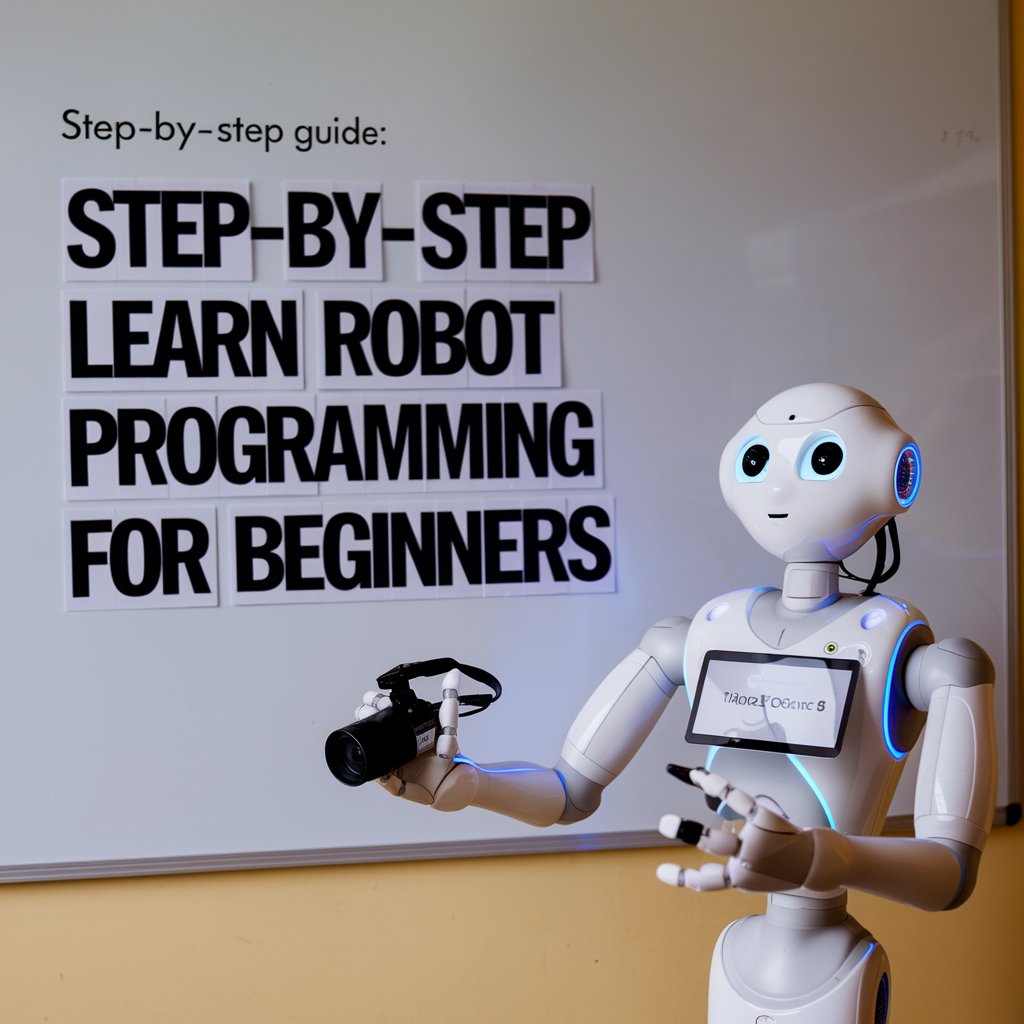
Step-by-Step Guide: Learn Robot Programming for Beginners
Step-by-Step Guide: Learn Robot Programming for Beginners Robotics programming is an exciting field blending technology,…
As technology continues to advance at an astonishing pace, the emergence of NEO Beta has redefined the landscape of home assistance. This state-of-the-art humanoid robot, powered by OpenAI’s cutting-edge artificial intelligence, is designed to simplify daily life, seamlessly integrating into homes to perform a variety of tasks. Whether it’s helping with household chores, acting as a personal assistant, or offering companionship, NEO Beta represents a new era in robotics.
We’ll explore the revolutionary features of NEO Beta, its real-world applications, and the profound impact it’s poised to have on modern households.
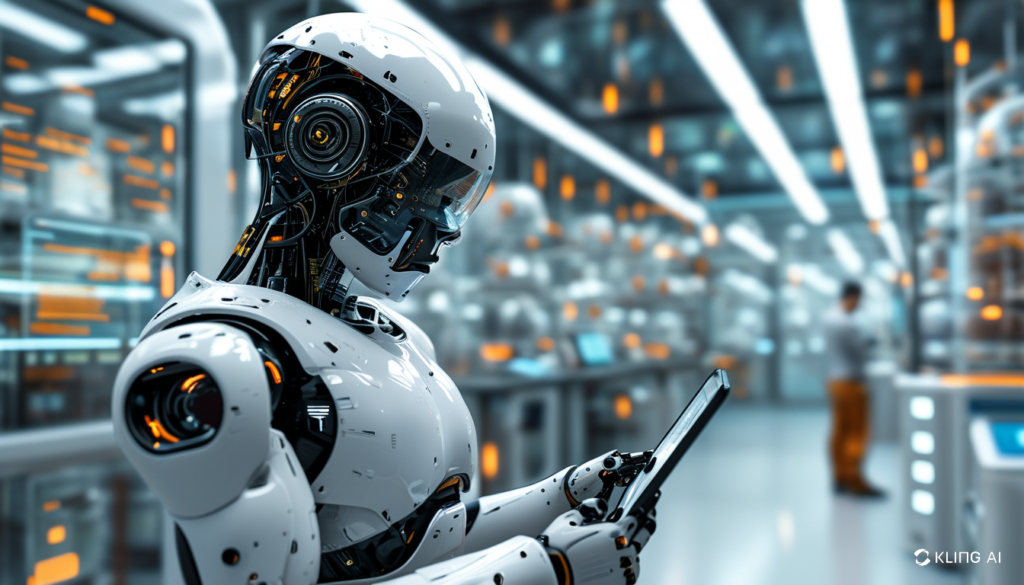
NEO Beta is a next-gen humanoid robot powered by OpenAI’s latest AI, designed to change the concept of home help. Unlike other robots with limited functionality, NEO Beta has advanced AI systems, including NLP (Natural Language Processing) and machine learning algorithms, that can do complex multi-step tasks and understand human language, tone, and intent.
Its sleek and ergonomic design allows it to move freely in any size of home and interact naturally with household members. From doing daily chores like cleaning and organizing to managing schedules and being a companion, NEO Beta adapts to user needs, learns preferences over time, and gives a personalized experience. It can connect to smart home systems like thermostats, security cameras, and lighting controls, making it the central hub of modern living.

What sets NEO Beta apart is its ability to combine utility with emotional intelligence, a first in AI robotics. Using emotion recognition technology, it can read facial expressions and vocal cues and respond empathetically, making it more human-like than ever before.
This capability turns it from a tool into a companion for families, the elderly, and individuals with disabilities. NEO Beta not only does physical tasks but also enhances mental well-being by offering conversation, medication reminders, and real-time emergency alerts when needed. Its versatility and ability to learn and adapt make NEO Beta the most advanced and reliable AI-powered robot for comfort, safety, and efficiency in modern homes.
Unlike traditional home-assistance robots limited to basic commands, NEO Beta features:
This combination of intelligent systems makes NEO Beta a groundbreaking solution for households seeking convenience, efficiency, and innovation.
NEO Beta is equipped with the ability to manage a variety of household tasks, including:
With its ability to multitask and adapt to user needs, NEO Beta saves valuable time and energy.
One of the standout features of NEO Beta is its emotional intelligence. Using sophisticated AI algorithms, it can:
This level of interaction makes NEO Beta feel less like a machine and more like a trusted companion.
NEO Beta acts as a central hub for your smart home devices, managing:
Its ability to control multiple devices through voice commands or app-based inputs simplifies home automation, making everyday life more efficient.
NEO Beta is designed with safety in mind, featuring:
These features make NEO Beta not just an assistant, but a guardian for the home.

For families juggling work, school, and extracurricular activities, NEO Beta acts as a personal assistant, organizing schedules, reminding family members of appointments, and even preparing meals.
NEO Beta is particularly valuable for elderly individuals, offering:
Its ability to monitor health conditions and alert medical professionals if necessary further enhances its role in eldercare.
For people with mobility challenges or disabilities, NEO Beta provides unparalleled support, performing tasks that might otherwise be difficult or impossible. From fetching items to controlling devices through voice commands, it’s a game-changer in accessible living.
While there are numerous home-assistance robots on the market, NEO Beta sets itself apart in several ways:
These features make it more than just a tool; it becomes a personalized addition to your home.
Step-by-Step Guide: Learn Robot Programming for Beginners Robotics programming is an exciting field blending technology,…
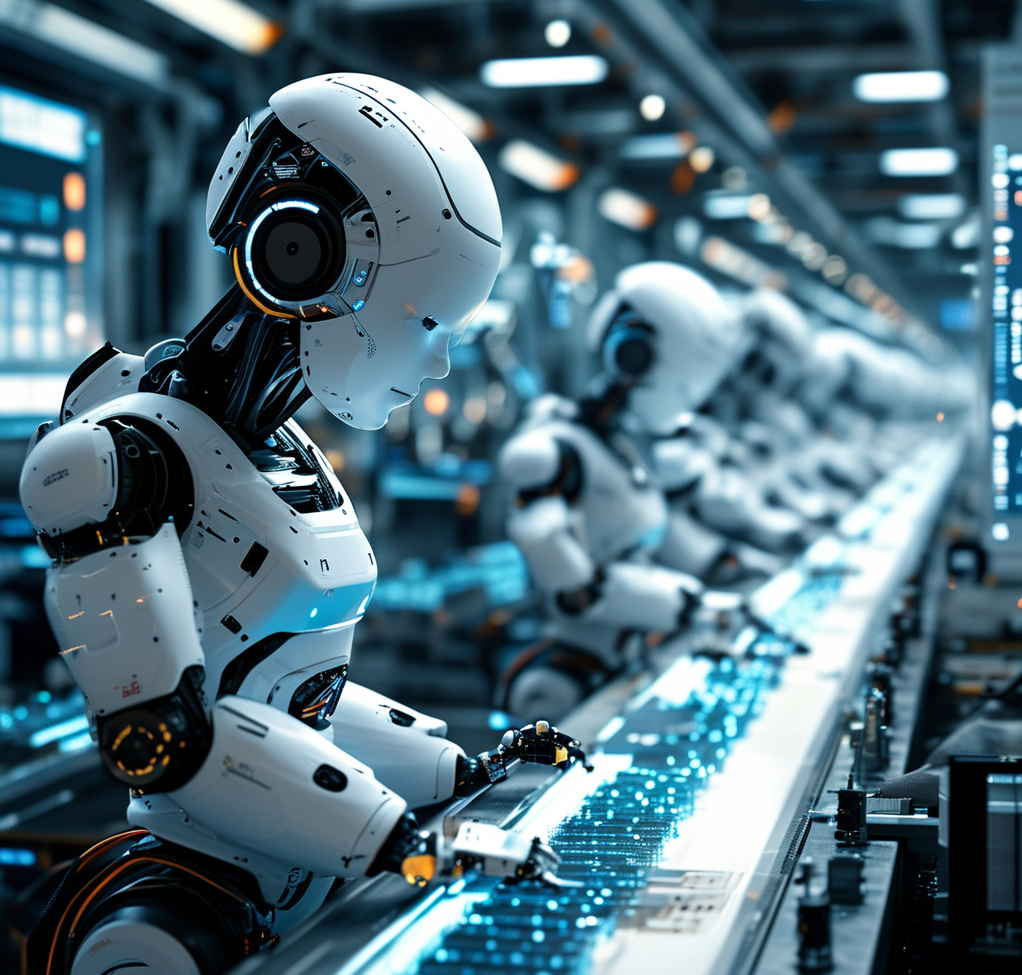
Industrial Robotics: The New Era of Automation and AI Automation has revolutionized industries for decades,…
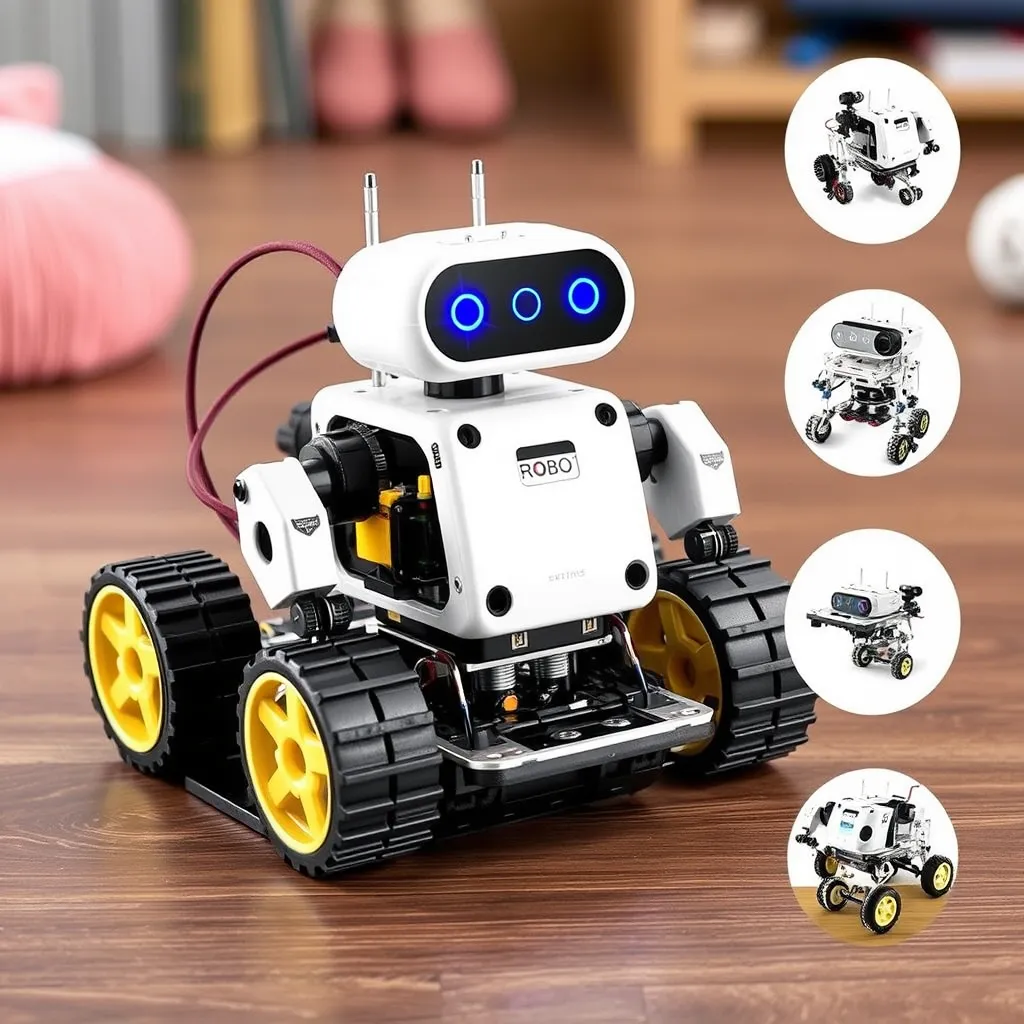
The 10 Best Educational Robotics Kits for Learning at Home Educational robotics kits are a…
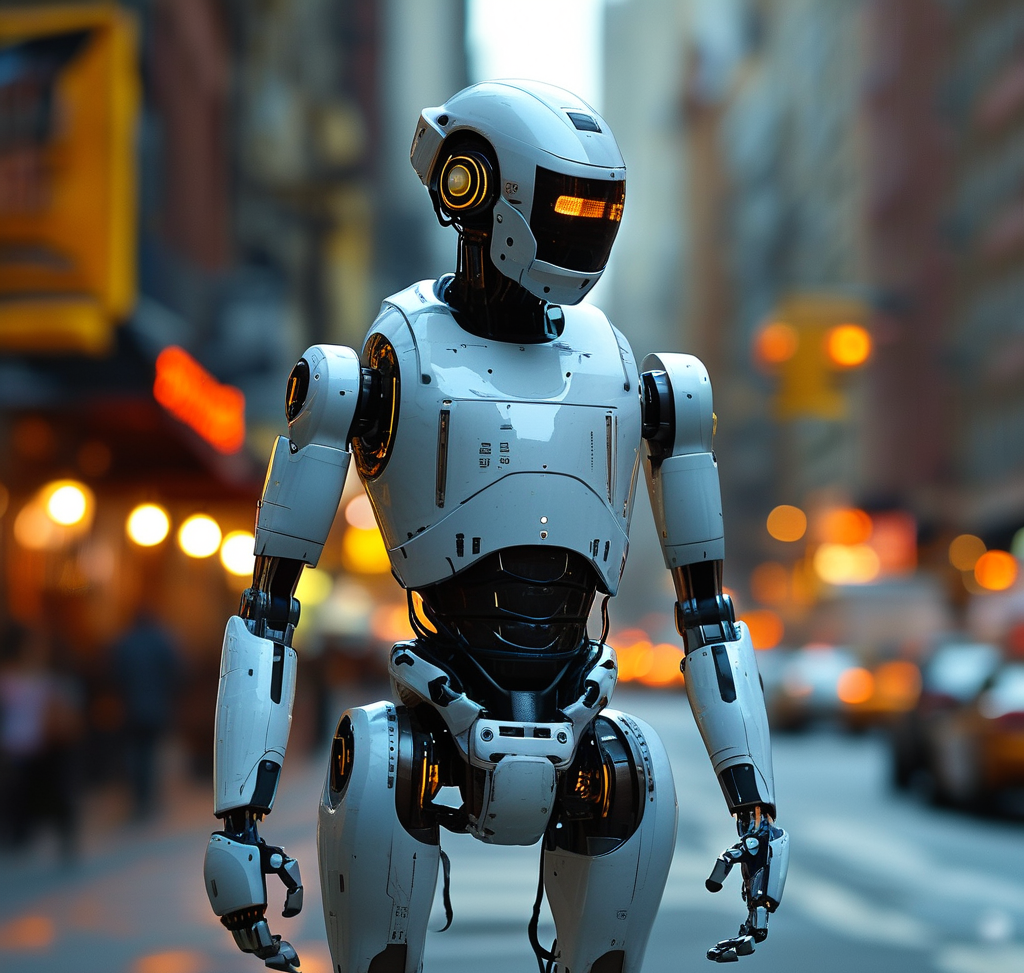
Top 3 Robots Coming in 2025: Transforming the Future The world of robotics continues to…
NEO Beta’s launch signals a significant shift in how we perceive and interact with technology in our homes. With ongoing advancements in AI and robotics, the potential for future iterations of NEO Beta is limitless. Upcoming updates could include:
These developments will further cement the role of humanoid robots as indispensable components of modern households.
NEO Beta is not just a robot; it’s a revolutionary home assistant poised to transform daily life. By combining cutting-edge AI with user-friendly design, it delivers an unparalleled experience of convenience, safety, and companionship. Whether you’re managing a bustling family household or seeking a helping hand in independent living, NEO Beta is the future of home assistance.
As this technology continues to evolve, the question isn’t whether robots like NEO Beta will become a part of our lives—it’s how quickly they’ll become indispensable. Embrace the future today with NEO Beta, your intelligent partner in home management.
What do you think about NEO Beta’s capabilities? Share your thoughts in the comments below!
Automation has revolutionized industries for decades, but with the emergence of advanced robotics and artificial intelligence (AI), we are entering an unprecedented era of innovation and productivity. The integration of industrial robots and AI is transforming manufacturing processes, reshaping industries, and redefining the global workforce. But what does this new era of automation truly mean, and how can businesses harness its potential?
Imagine a world where factories run with minimal human intervention, assembly lines adapt autonomously to changes, and predictive maintenance prevents costly downtimes. This vision is no longer futuristic—it’s the reality powered by industrial robotics and AI.
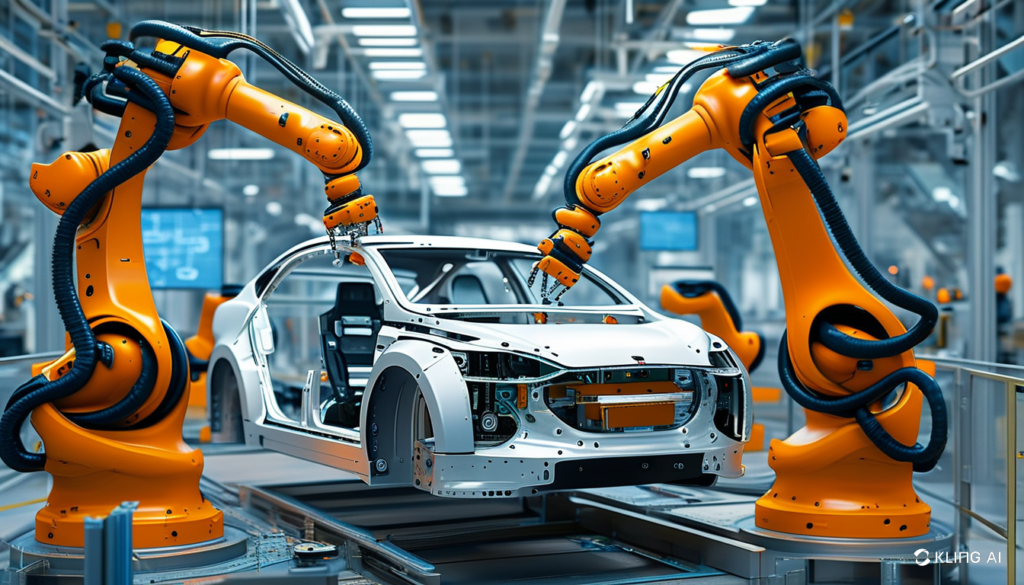
According to the International Federation of Robotics (IFR), the global market for industrial robots reached $16 billion in 2023, and it’s projected to grow rapidly. The blend of robotics and AI is not only optimizing productivity but also driving a shift towards smarter and more agile manufacturing.
Industrial robots are programmable machines designed to perform specific tasks, such as welding, assembling, painting, or material handling, with high precision and speed. They can operate continuously, often in hazardous or repetitive environments where human labor might falter.
Artificial intelligence is the cornerstone of the next generation of industrial robotics. While traditional robots follow pre-programmed instructions, AI-powered robots can learn, adapt, and make decisions. This ability unlocks a wealth of new possibilities.
For example, companies like Fanuc and ABB are leveraging AI to develop robots capable of self-diagnosing faults, ensuring higher operational efficiency.
The impact of robotics and AI spans across diverse industries, enhancing operations and paving the way for innovation.
Step-by-Step Guide: Learn Robot Programming for Beginners Robotics programming is an exciting field blending technology,…

NEO Beta: The OpenAI-Powered Humanoid Robot Revolutionizing Home Assistance As technology continues to advance at…
Industrial Robotics: The New Era of Automation and AI Automation has revolutionized industries for decades,…
The 10 Best Educational Robotics Kits for Learning at Home Educational robotics kits are a…
Top 3 Robots Coming in 2025: Transforming the Future The world of robotics continues to…
Tesla’s Gigafactories: Tesla utilizes a combination of industrial robots and AI to streamline electric vehicle production. Robots manage tasks like welding, painting, and assembling, while AI predicts maintenance needs and improves overall efficiency.
Despite its advantages, adopting industrial robotics and AI poses certain challenges:
To thrive in this new era of automation and AI, businesses must adopt strategic approaches:
The future promises even greater synergy between robotics and AI. Emerging trends include:
According to a report by McKinsey & Company, automation could boost global productivity growth by up to 1.4% annually, significantly impacting economies worldwide.
Industrial robotics and AI are not just transforming industries—they are shaping the future of work and innovation. From streamlining operations to enabling new business models, the potential is immense. However, success requires thoughtful planning, continuous learning, and adaptability.
By embracing this technological revolution, businesses can not only stay competitive but also lead the charge in the new era of automation and AI. Are you ready to take the leap into the future?