Step-by-Step Guide: Learn Robot Programming for Beginners
Step-by-Step Guide: Learn Robot Programming for Beginners Robotics programming is an exciting field blending technology,…
Automation has revolutionized industries for decades, but with the emergence of advanced robotics and artificial intelligence (AI), we are entering an unprecedented era of innovation and productivity. The integration of industrial robots and AI is transforming manufacturing processes, reshaping industries, and redefining the global workforce. But what does this new era of automation truly mean, and how can businesses harness its potential?
Imagine a world where factories run with minimal human intervention, assembly lines adapt autonomously to changes, and predictive maintenance prevents costly downtimes. This vision is no longer futuristic—it’s the reality powered by industrial robotics and AI.
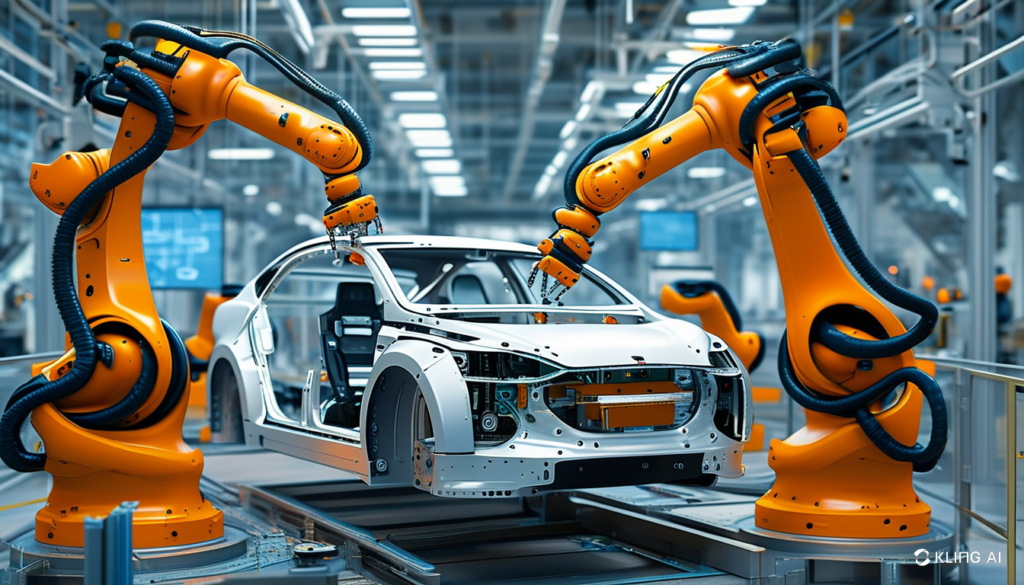
According to the International Federation of Robotics (IFR), the global market for industrial robots reached $16 billion in 2023, and it’s projected to grow rapidly. The blend of robotics and AI is not only optimizing productivity but also driving a shift towards smarter and more agile manufacturing.
Industrial robots are programmable machines designed to perform specific tasks, such as welding, assembling, painting, or material handling, with high precision and speed. They can operate continuously, often in hazardous or repetitive environments where human labor might falter.
Artificial intelligence is the cornerstone of the next generation of industrial robotics. While traditional robots follow pre-programmed instructions, AI-powered robots can learn, adapt, and make decisions. This ability unlocks a wealth of new possibilities.
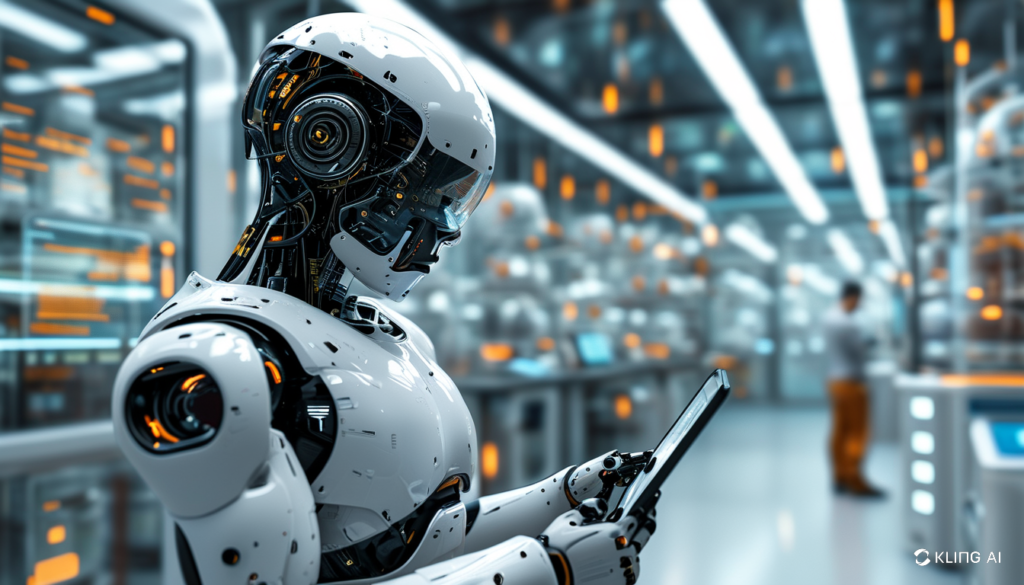
For example, companies like Fanuc and ABB are leveraging AI to develop robots capable of self-diagnosing faults, ensuring higher operational efficiency.
The impact of robotics and AI spans across diverse industries, enhancing operations and paving the way for innovation.
Step-by-Step Guide: Learn Robot Programming for Beginners Robotics programming is an exciting field blending technology,…

NEO Beta: The OpenAI-Powered Humanoid Robot Revolutionizing Home Assistance As technology continues to advance at…
Industrial Robotics: The New Era of Automation and AI Automation has revolutionized industries for decades,…
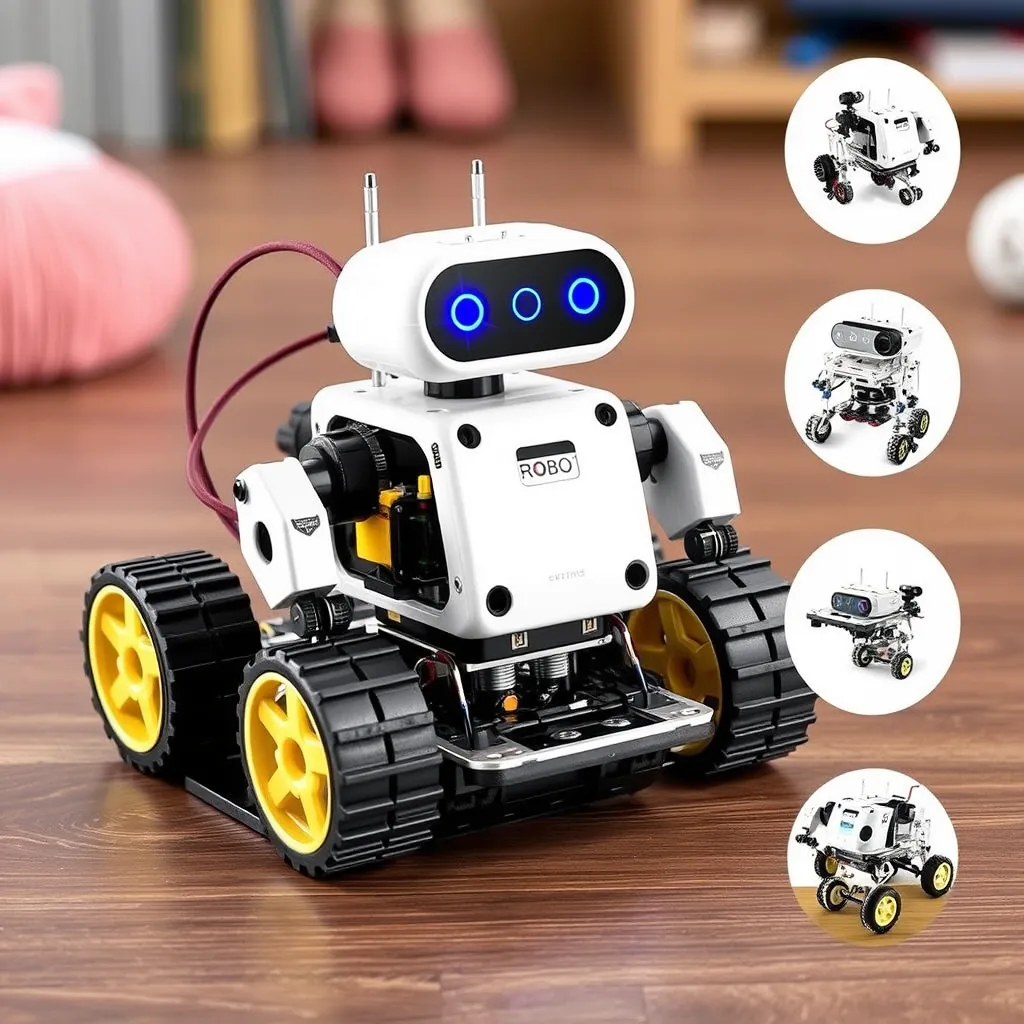
The 10 Best Educational Robotics Kits for Learning at Home Educational robotics kits are a…
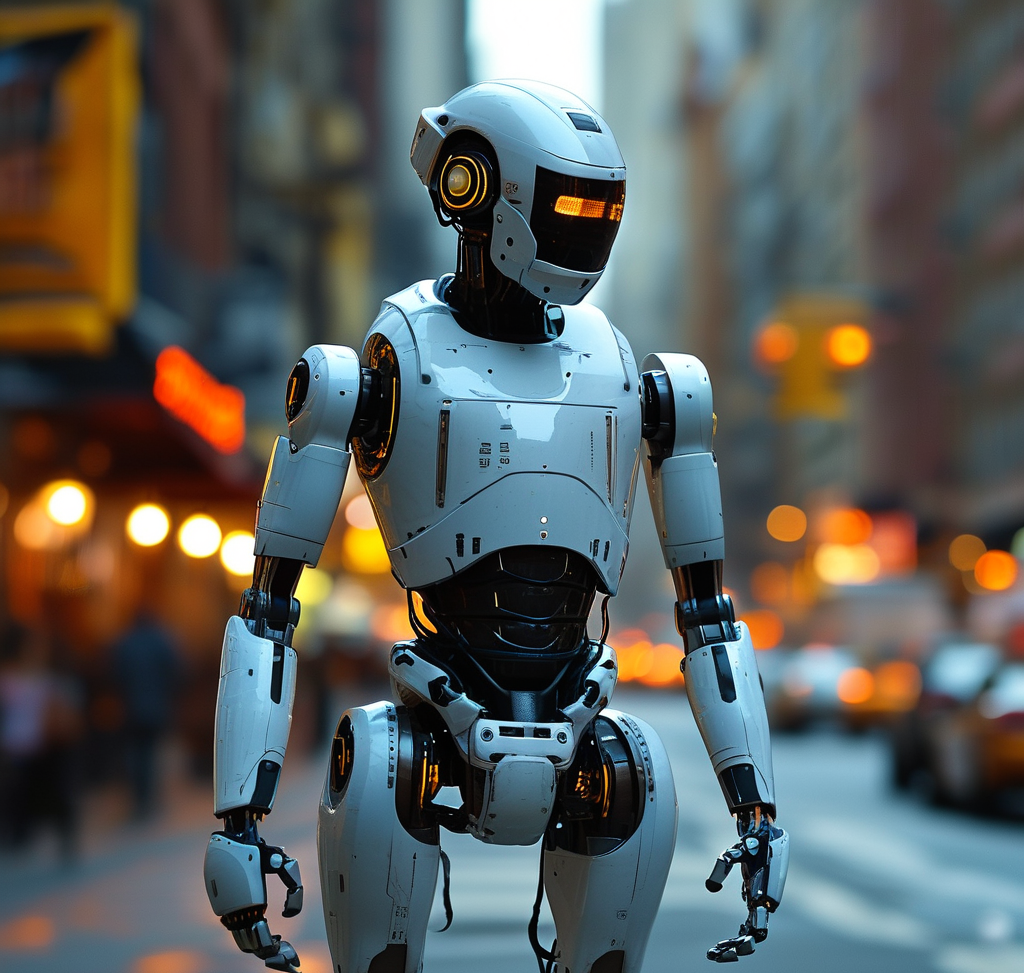
Top 3 Robots Coming in 2025: Transforming the Future The world of robotics continues to…
Tesla’s Gigafactories: Tesla utilizes a combination of industrial robots and AI to streamline electric vehicle production. Robots manage tasks like welding, painting, and assembling, while AI predicts maintenance needs and improves overall efficiency.
Despite its advantages, adopting industrial robotics and AI poses certain challenges:
To thrive in this new era of automation and AI, businesses must adopt strategic approaches:
The future promises even greater synergy between robotics and AI. Emerging trends include:
According to a report by McKinsey & Company, automation could boost global productivity growth by up to 1.4% annually, significantly impacting economies worldwide.
Industrial robotics and AI are not just transforming industries—they are shaping the future of work and innovation. From streamlining operations to enabling new business models, the potential is immense. However, success requires thoughtful planning, continuous learning, and adaptability.
By embracing this technological revolution, businesses can not only stay competitive but also lead the charge in the new era of automation and AI. Are you ready to take the leap into the future?